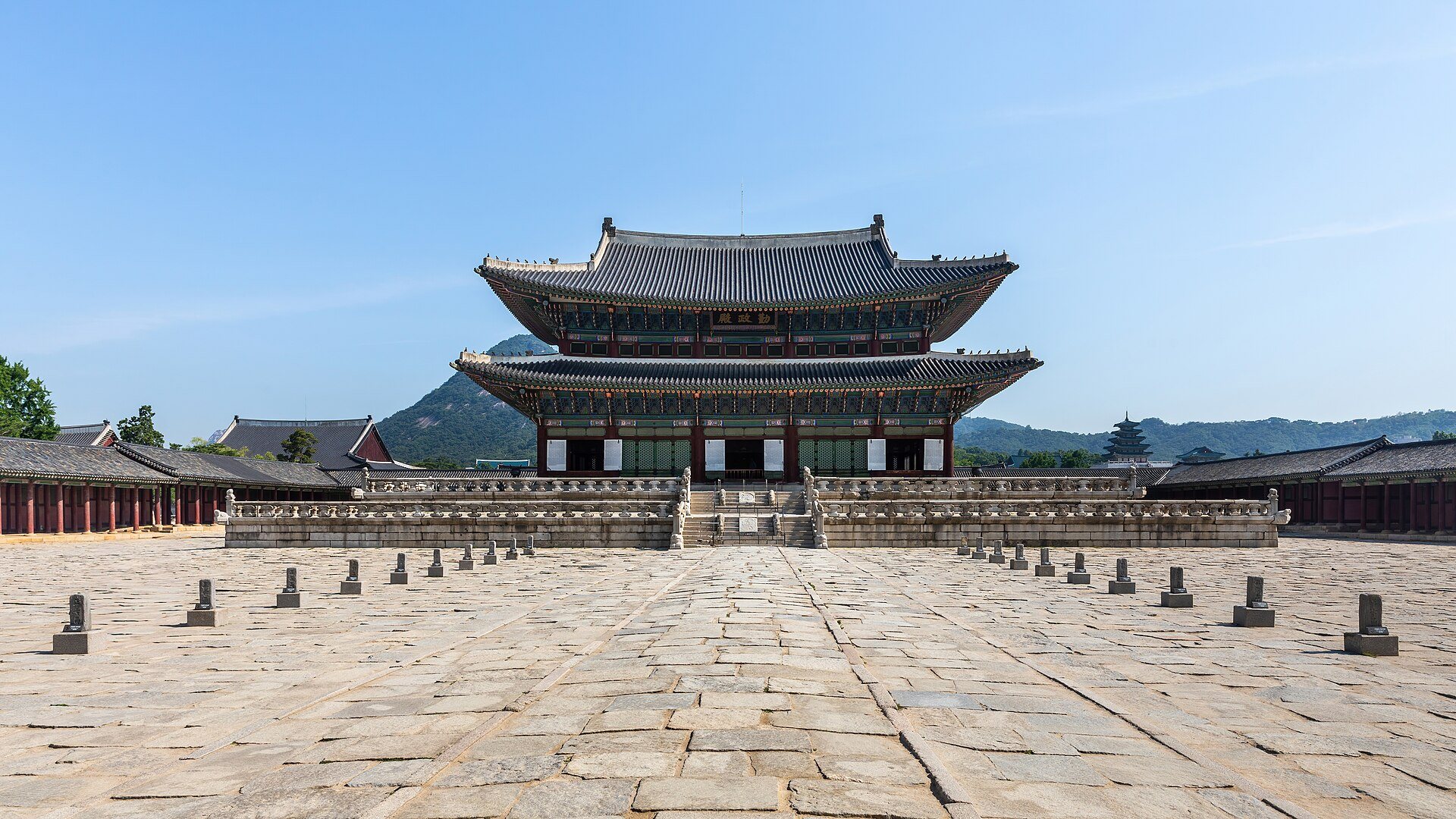
Front view of Geunjeongjeon throne hall at Gyeongbokgung Palace under a blue sky, Seoul

Korea, opened for you.

Personal day-by-day itineraries, built from scratch by locals who actually live here. Not a recycled top-10 list.

100% local planners PDF in 48–72h EN · 日本語

Guidebooks tell everyone the same story.

Yours should start from you: your dates, your pace, your appetite, the one museum you would actually walk across town for.

Google Maps shows you where. Not why, when, or whether it is worth it.

A pin cannot tell you that the palace is quiet at nine in the morning and a crowd-crush by noon, or that the famous noodle shop closes on the one day you planned to go. We plan around opening hours, queues, weather and seasons.
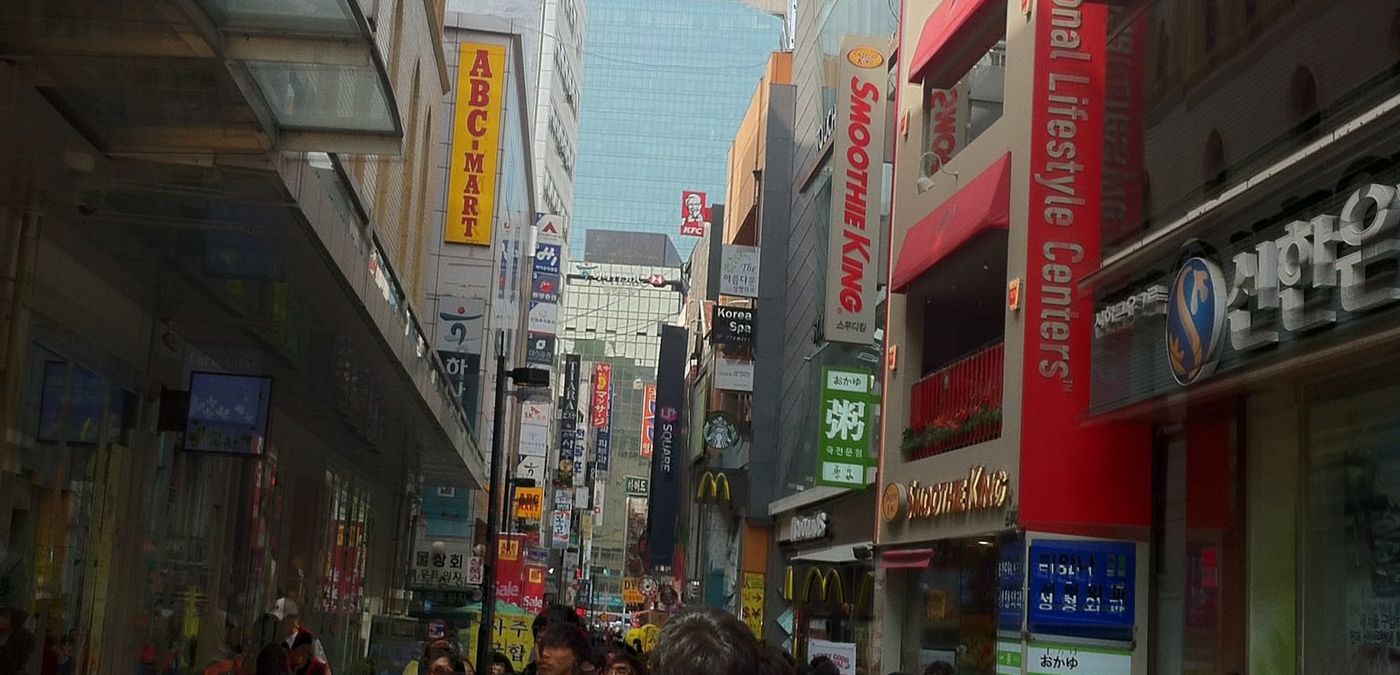
Half the “Best of Korea” lists were written years ago, or from inside Myeong-dong.

Seoul reinvents itself block by block. The listicle you bookmarked may predate half the places worth your time. Our planners walk these neighborhoods every week, so your itinerary reflects the city as it is now.

Package tours move forty people on one schedule. You are not forty people.

Group tours are built around bus logistics. If you want ninety minutes in one tea house and zero minutes in a duty-free shop, that should be your call. Your plan is private, flexible, and follows exactly one schedule: yours.

We live here. We plan your trip the way we would plan it for a visiting friend.

Every itinerary is hand-built by a planner who rides these subway lines and eats at these tables. We tell you what we would tell a friend: what to skip, where to splurge, and which alley is worth the detour.

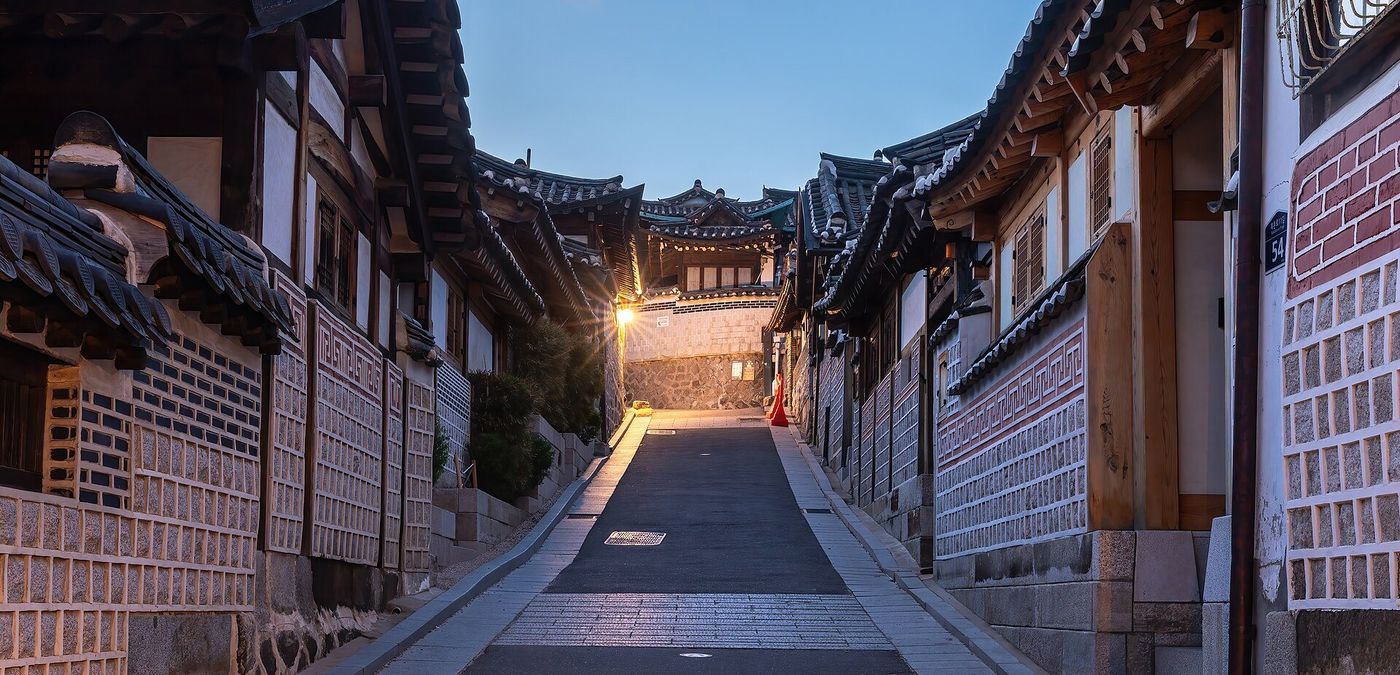
Hanok rooftops along a narrow Bukchon alley at blue hour, Seoul

Bukchon at 5:48 in the morning. The hour a planner picks so you get the alley to yourself.

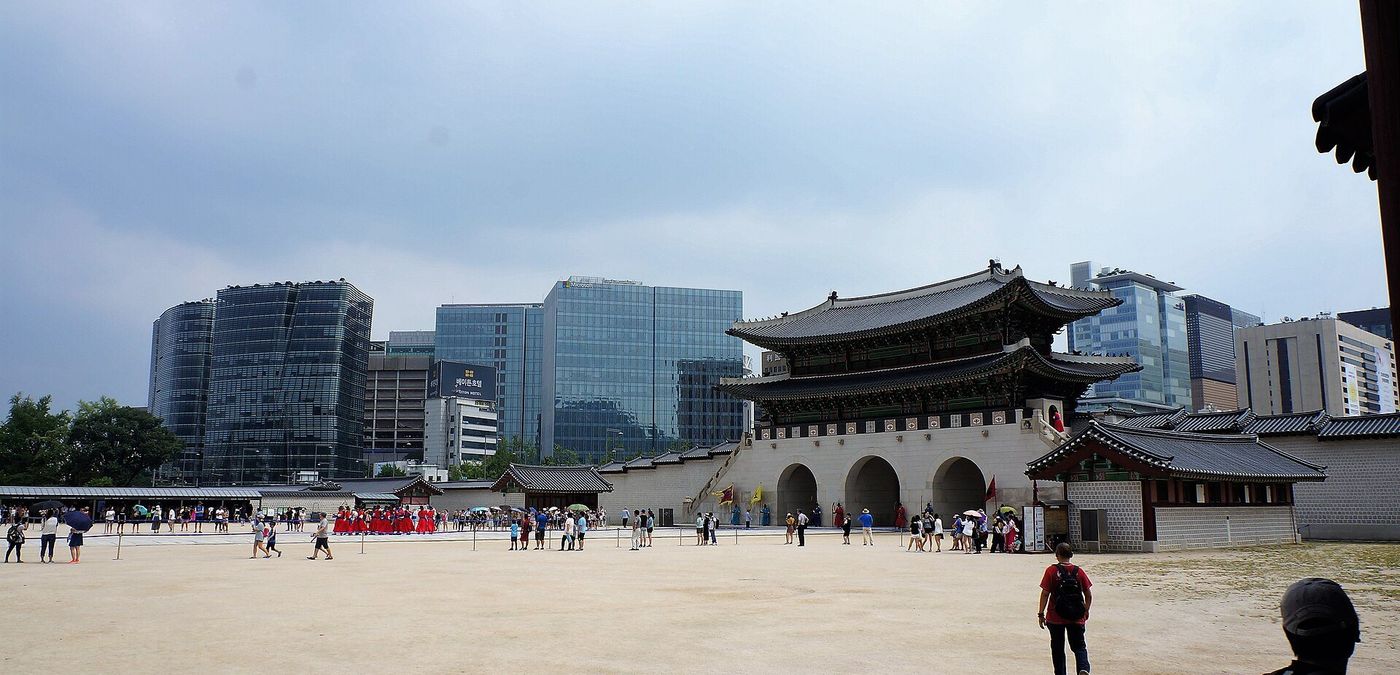
Gwanghwamun Gate framed against modern office towers in central Seoul

Gwanghwamun: six centuries and one crosswalk apart. Hover for color.

Four steps, then a planner takes over.

No account required, no sales call, no upsell waiting at the palace gate.

1

Tell us everything

The twenty-plus question form: arrival time, hotel, pace, taste, allergies. The more we know, the sharper your plan.

2

Secure checkout

Pay once, up front. No subscription, no commission from any restaurant or shop we send you to.

3

A local planner builds your route

Forty-eight to seventy-two hours of real research by someone who lives here, not an algorithm and not a template.

4

Your PDF arrives

Day by day, printable, offline-friendly, with one free revision round included.

One plan. Your whole trip.

Flat pricing by trip length. Every plan is built from zero; nothing is copied forward from someone else’s trip.

One payment, one PDF, one revision round. Prices shown are indicative while we finalise them.

Every plan includes

  • Full day-by-day PDF itinerary
  • Restaurants filtered by your allergies
  • Exact transit routes: T-money, subway, KTX
  • Etiquette and phrase mini-guide
  • Printable and offline-friendly
  • One revision round

We ask more. On purpose.

A generic list needs zero questions. A personal plan needs twenty-plus. This is step one of four, so you can see how specific we get before you pay anything.

Crowded shopping street in Myeong-dong at dusk, Seoul
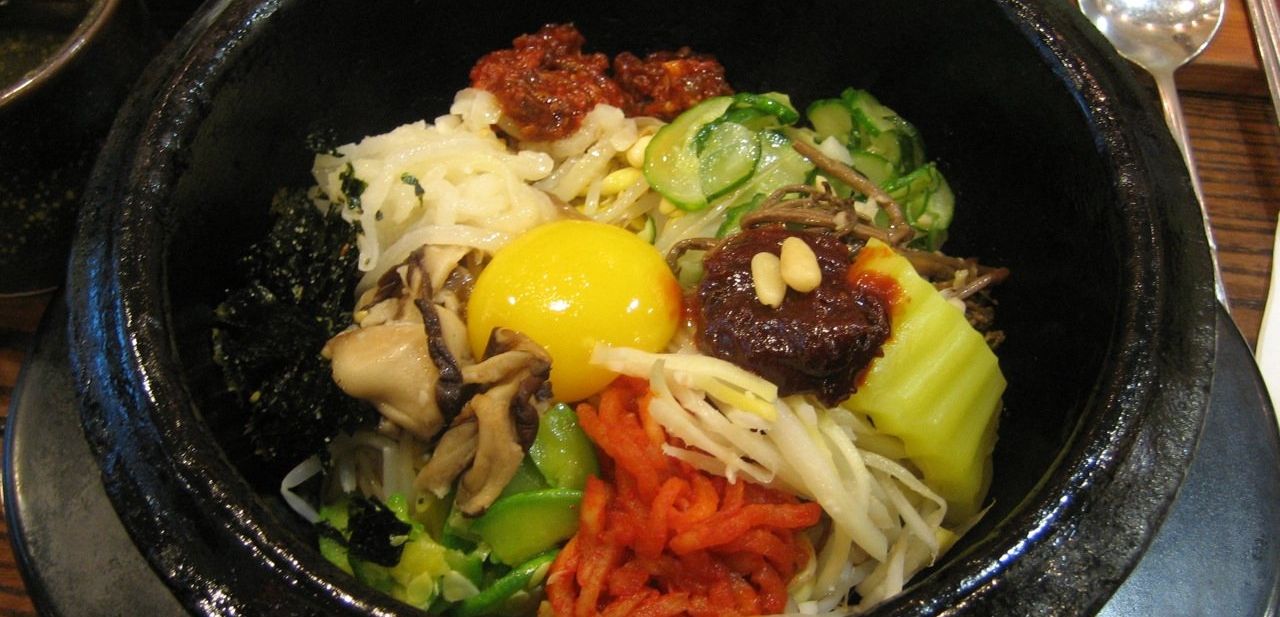
Dolsot bibimbap served in a hot stone bowl with vegetables and egg

Myeong-dong only if you ask for it. The bibimbap only if the egg is not a problem.

Step 1 of 4 Preview
Hotel booked already?
Do you already have a fixed route between cities?
Which regions are calling you?
Your travel style, up to five
Relaxed Packed
Static preview. Nothing is sent from this page.

Eight things a local would draw for you on a napkin.

The small mechanics of Korea: fares, doors, tables, bills. Diagrams, because a picture of the actual thing beats a paragraph about it.

Two people greeting: a light bow of about fifteen degrees 15° 안녕하세요 an-nyeong-ha-se-yo

Say hello like you mean it

One phrase covers almost every door you walk through: shops, restaurants, taxis, your guesthouse. Pair it with a small nod from the waist, roughly fifteen degrees. Nobody expects a deep bow from you, and nobody minds a clumsy one.

안녕하세요 an-nyeong-ha-se-yo

T-money card and the three steps: buy at a convenience store, top up, tap 1 Buy 2 Top up 3 Tap

85.6 × 54 mm — the same size as a bank card. Buy it at any convenience store, top up with cash at the counter, then tap the reader on every ride.

T-money is your key to the city

Buy the card at any convenience store, hand over cash to top it up, then tap it on the reader for subway, bus and most taxis. It also pays for a bottle of water at the same counter, which is the moment most travellers finally believe it works.

티머니 tee-money

Seoul subway diagram: the circular Line 2 with a transfer onto Line 4 2 4 Transfer station

Line 2 (red) runs in a loop, so a wrong direction costs you time, never a rescue. Line 4 (blue) cuts across it.

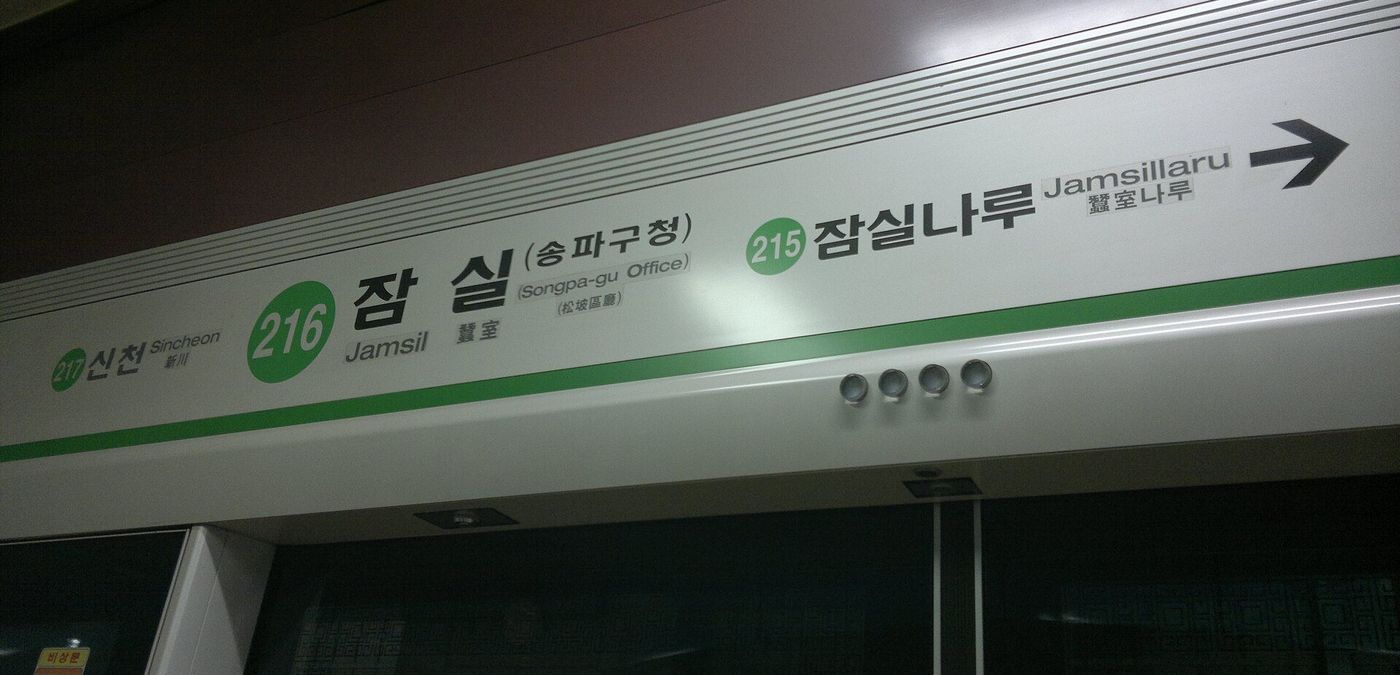
Direction signage on the Line 2 platform at Jamsil Station, Seoul
Jamsil, Line 2. The sign repeats the number and the colour, so the diagram in your pocket matches the wall.

The subway, decoded

Every line has a number and a colour, and both are printed on every sign, so you can navigate without reading a single Korean word. Line 2 is a loop, which means a wrong direction costs you time but never a rescue. For routing, Naver Map beats Google Maps by a wide margin here.

환승 hwan-seung · transfer

Bus side view showing you must tap the card at the front door and again at the rear door Tap in Tap out

Front door on. Rear door off. Miss the second tap and the transfer discount is gone.

Buses: tap in, tap out

You board at the front and tap. Then you leave by the rear door and tap again, and this second tap is the one visitors forget. Without it the system cannot see where you got off, so your free transfer onto the next bus or subway quietly disappears.

하차 태그 ha-cha tag · tap out

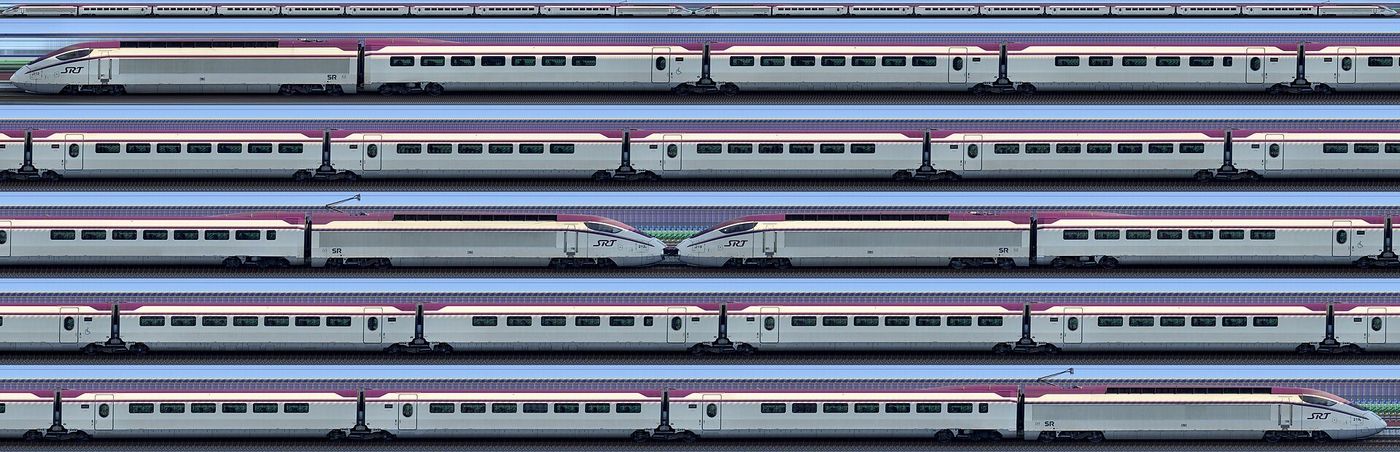
Aerial view of a KTX-Sancheon high-speed train on the Suseo to Pyeongtaek line Seoul → Busan · from 2h 18m, up to ~3h with more stops
KTX seat layout in two-plus-two rows, and the Seoul to Busan run from about two hours eighteen 2 + 2 seats, aisle down the middle yours Seoul Busan 2h 18m+

KTX in 20 minutes

Book on the Korail app or site; seats open about a month ahead and the popular Friday runs do sell out. Arriving fifteen minutes before departure is genuinely enough, because there is no security line and the platform is one escalator away.

케이티엑스 KTX · high-speed rail

Table seen from above with the call bell at the edge, and the phrase jeogiyo Call bell 저기요 Both work. Neither is rude.

Press the button on the table if there is one, or say jeo-gi-yo across the room. Raising your voice here is not impatience — it is the system working.

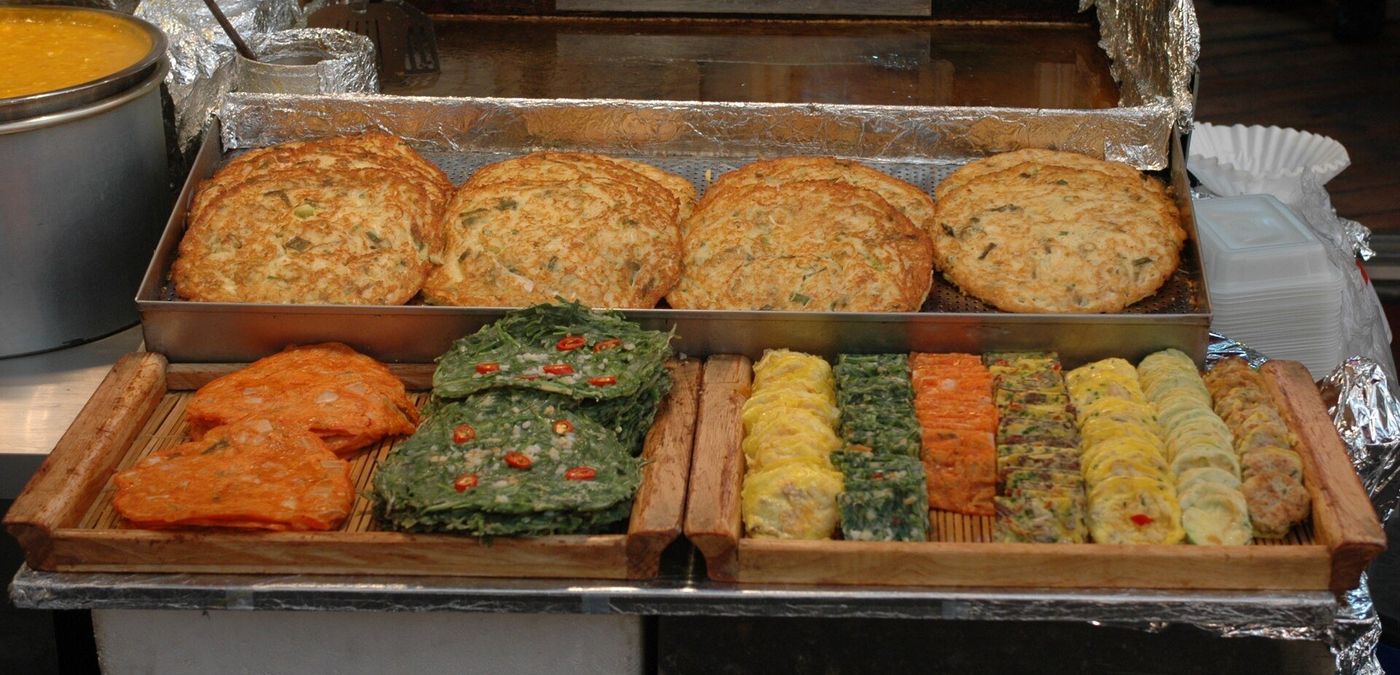
Griddles of Korean pancakes and fried snacks at Gwangjang Market, Seoul
At Gwangjang there is no bell and no menu card. Catching an eye is the whole system.

Calling staff isn’t rude here

Waiting quietly to be noticed is the one habit that will leave you hungry. Press the button on the table, or say the phrase at a normal speaking volume, and someone comes over. It reads as ordinary here, not as impatience.

저기요 jeo-gi-yo

Do not pay at the table; carry the bill to the counter by the door Table not here Counter pay here, by the door

Pay at the counter

Nobody will bring a card machine to your seat. When you are done, pick up the slip left on your table and carry it to the counter near the entrance. One person usually pays for the table, then settles up outside; splitting at the register is fine too.

계산이요 gye-san-i-yo · the bill, please

A banknote crossed out: no tipping in Korea 10,000 Bank of Korea No tip. Really.

Don’t tip. Really.

The price on the menu is the price you pay, in restaurants, taxis and salons alike. Leave money on the table and there is a fair chance someone will run out to the street after you to return it, which is a lovely thing to experience exactly once.

팁 없어요 tip eop-seo-yo · no tipping

Where should your Korea begin?

All seventeen regions below are real choices on our questionnaire. Pick one, or mix three — we route whatever you choose into one seamless plan.

SeoulIncheonGyeonggiGangwonChungbukChungnamSejongDaejeonJeonbukJeonnamGwangjuGyeongbukDaeguGyeongnamUlsanBusanJeju
Tap a region — the matching card lights up. Jeju is drawn closer than it really sits.
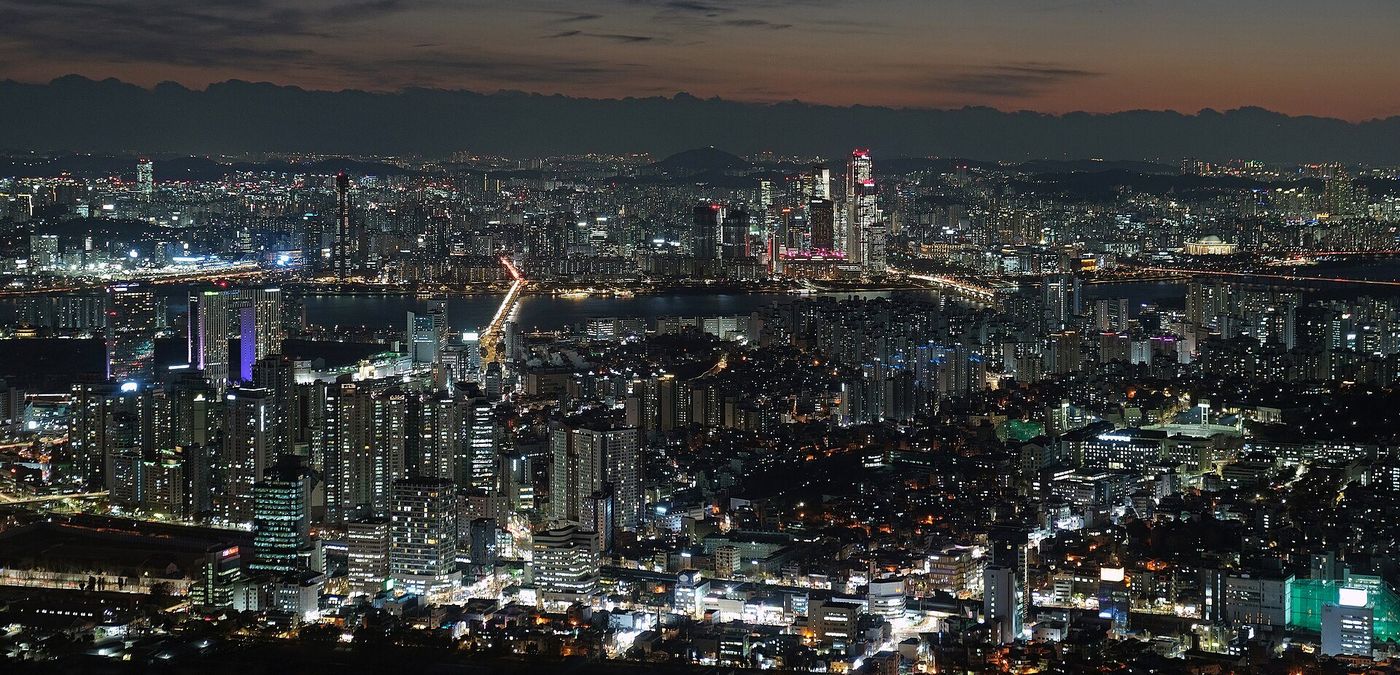
Seoul city lights at night seen from Namsan

Seoul

서울

Palaces at ten, markets at noon, neon by midnight — the city that has all of it.

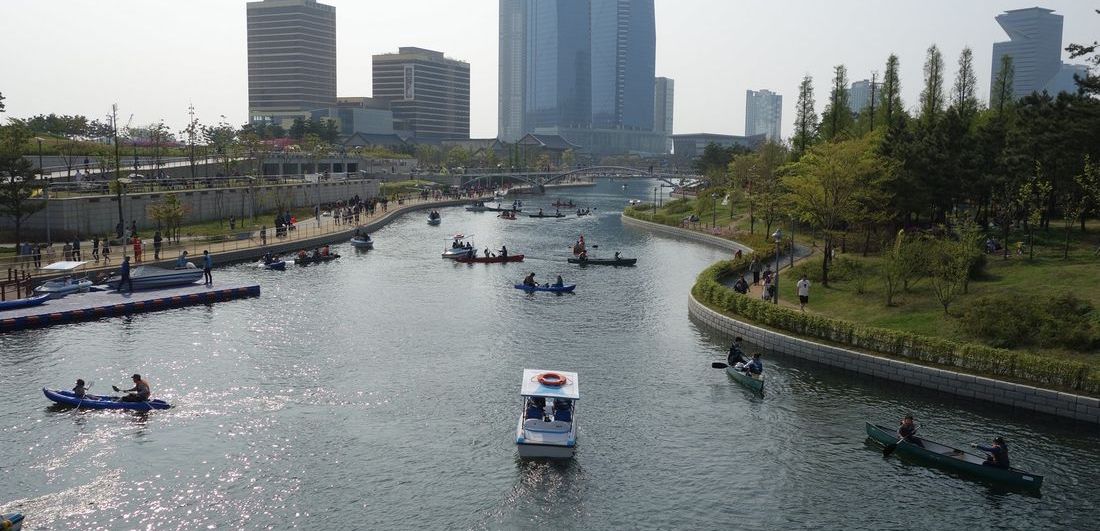
Boats on the canal of Songdo Central Park, Incheon

Incheon

인천

Your plane lands here. Stay a day for the canal park of Songdo and the sea wind at Wolmido.

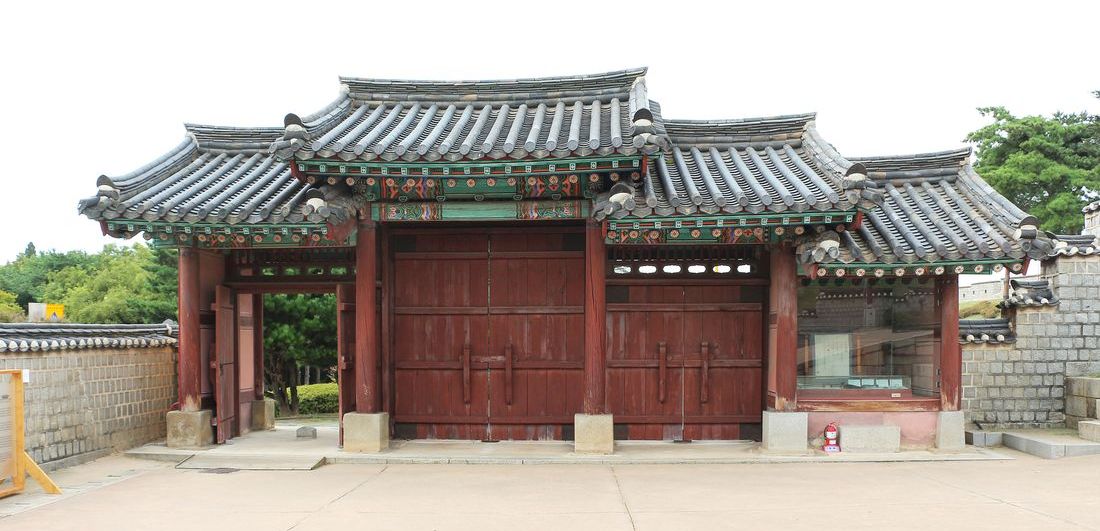
Tiled gate of Hwaseong Fortress in Suwon, Gyeonggi

Gyeonggi

경기

The ring around Seoul — Suwon’s fortress wall, the folk village at Yongin, day trips to the DMZ.

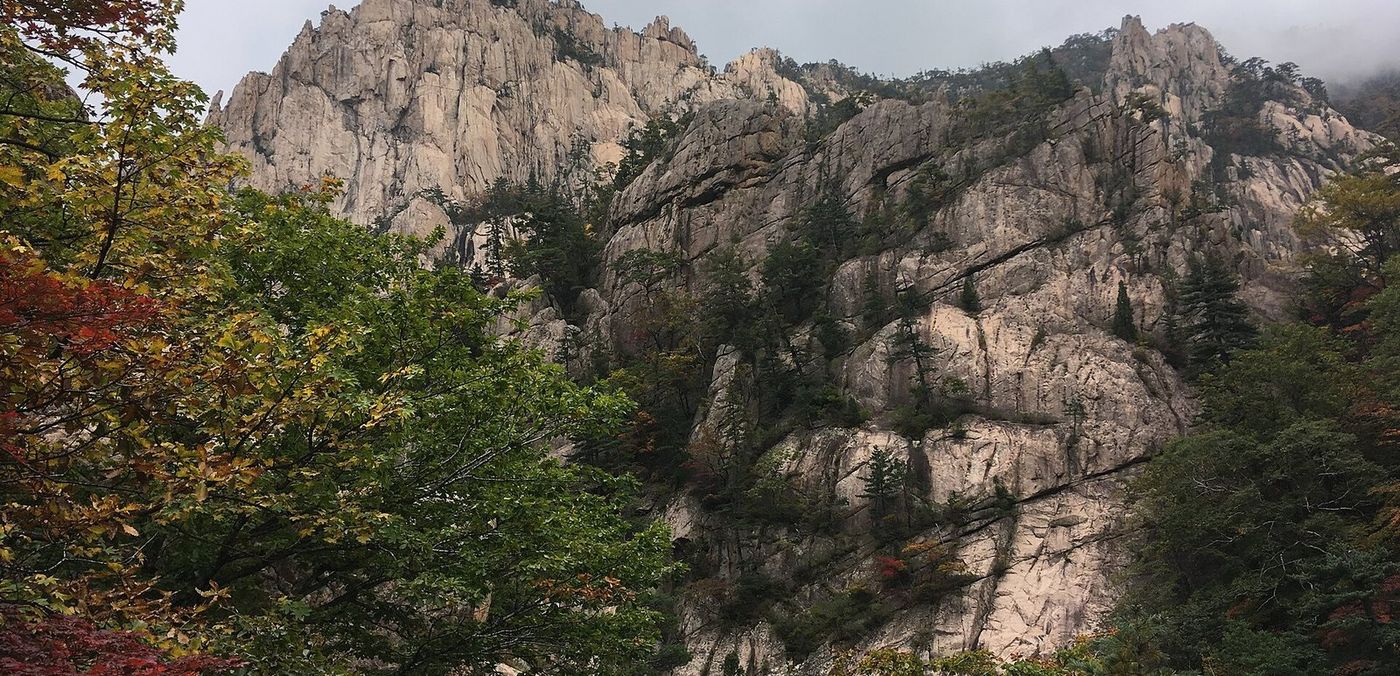
Granite peaks of Seoraksan National Park, Gangwon

Gangwon

강원

Granite peaks and a cold blue sea — Korea’s wild east coast.

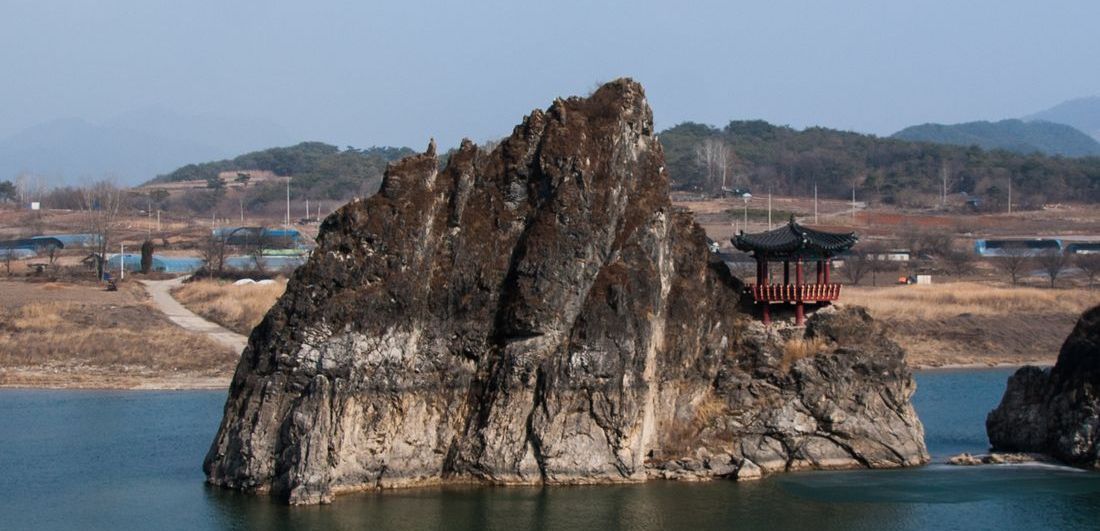
Dodamsambong limestone pillars rising from the river at Danyang, Chungbuk

Chungbuk

충북

The one province with no coastline, so it spends its beauty on rivers and limestone peaks.

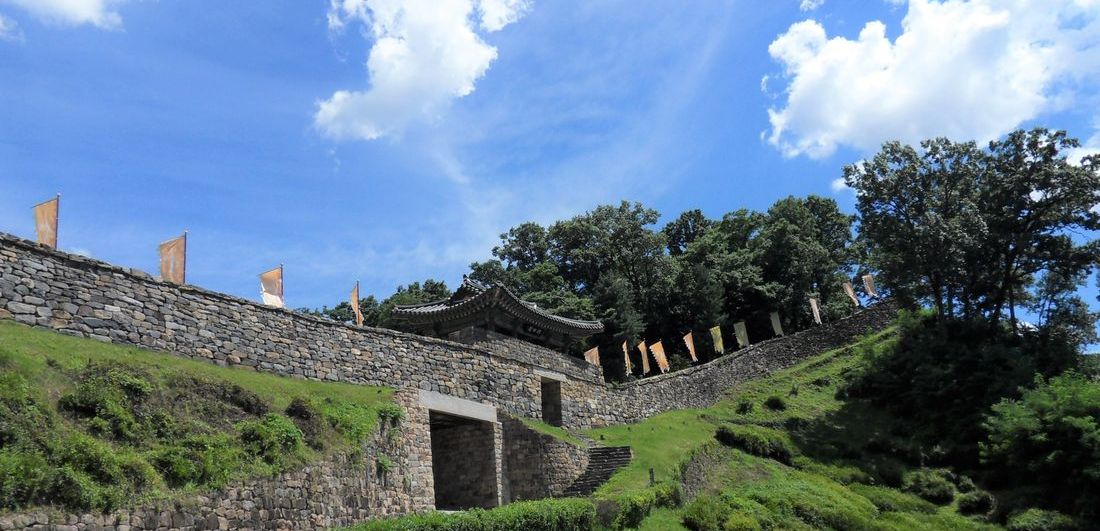
Stone rampart of Gongsanseong Fortress in Gongju, Chungnam

Chungnam

충남

Baekje’s old royal ground. Gongju and Buyeo keep the walls you can still walk.

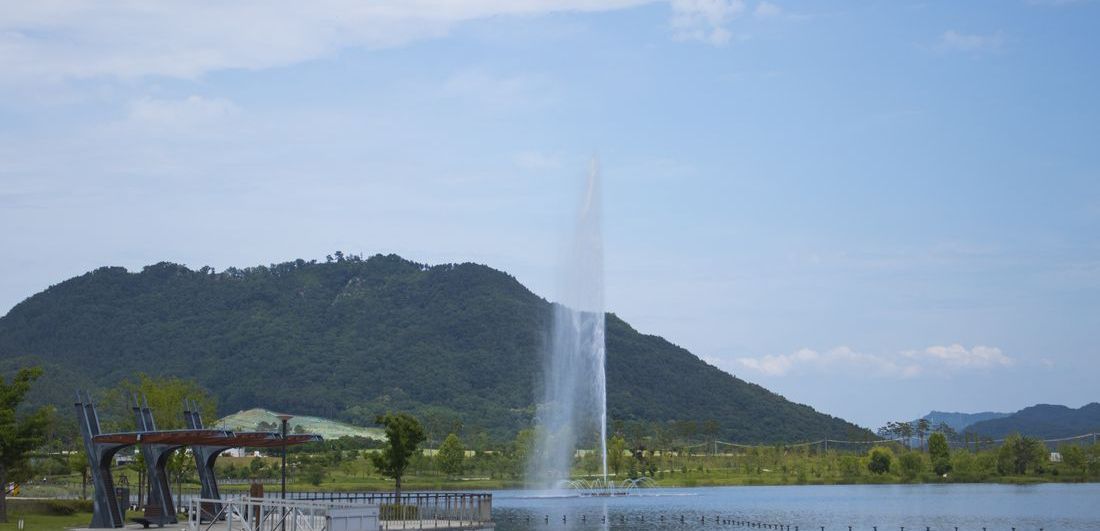
Fountain jet on the lake at Sejong Lake Park

Sejong

세종

Korea’s newest region, built to hold the government. Wide water, big architecture, no crowds.

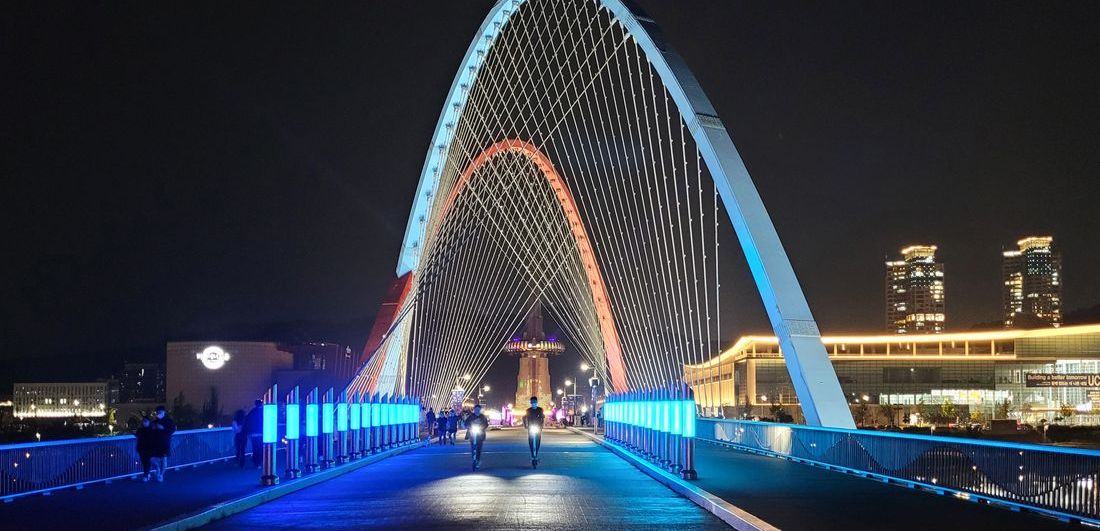
Expo Bridge in Daejeon lit blue and red at night

Daejeon

대전

The rail crossroads. Most KTX lines meet here, so it is the easiest place to change direction.

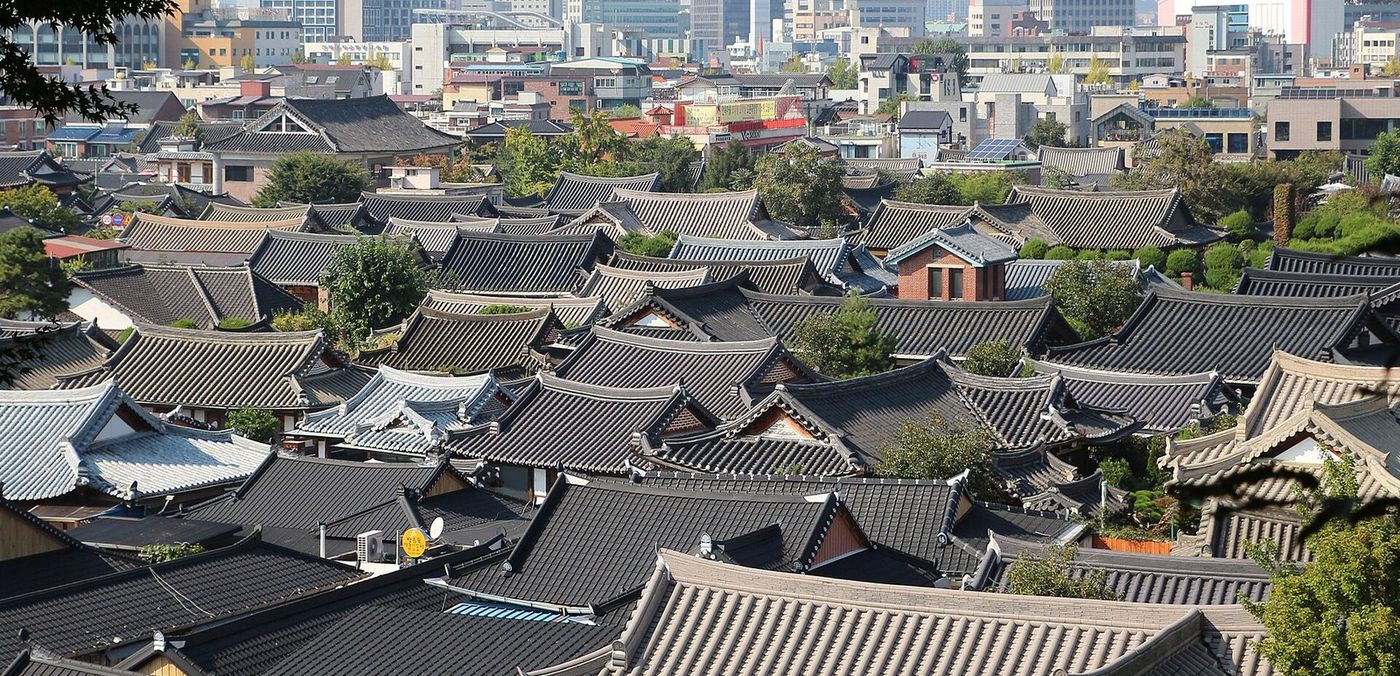
Sea of hanok rooftops in Jeonju Hanok Village, Jeonbuk

Jeonbuk

전북

Hanok rooftops, slow alleys, and the meal Koreans drive hours for.

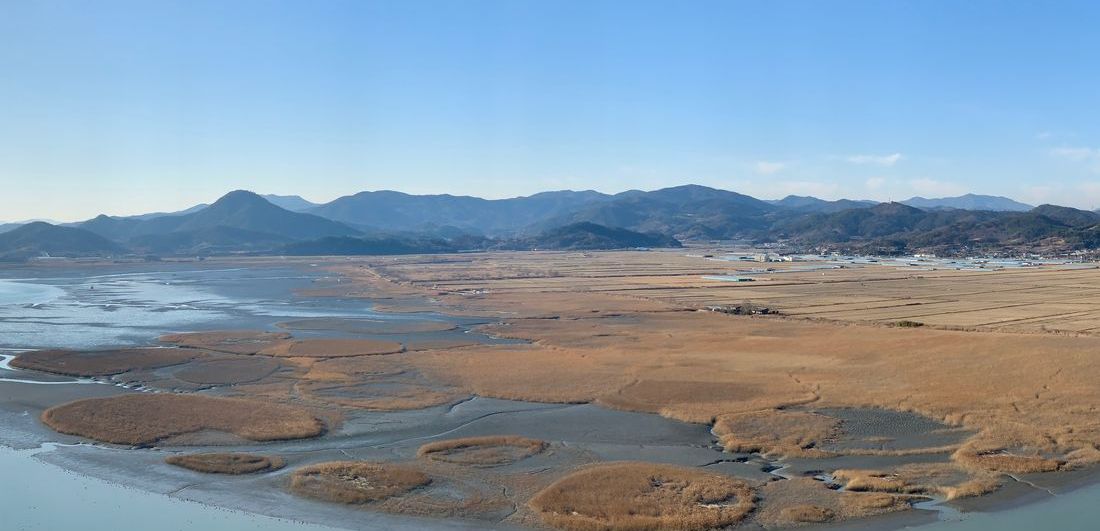
Tidal flats and reed beds of Suncheon Bay, Jeonnam

Jeonnam

전남

Reed beds at Suncheon Bay, tea terraces at Boseong, and Yeosu’s harbour after dark.

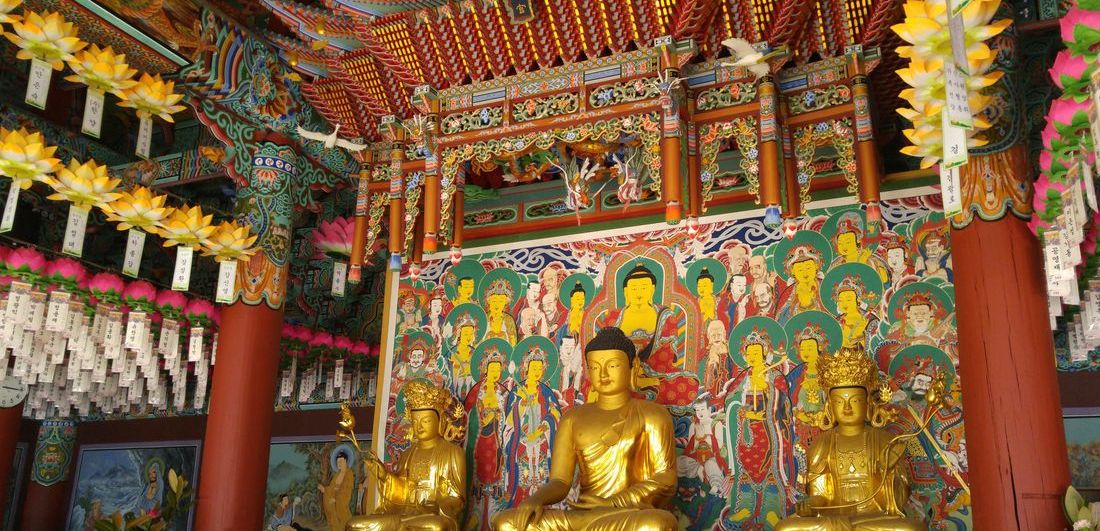
Painted main hall of Jeungsimsa temple on Mudeungsan, Gwangju

Gwangju

광주

A city serious about art and memory, with Mudeungsan rising straight out of its back streets.

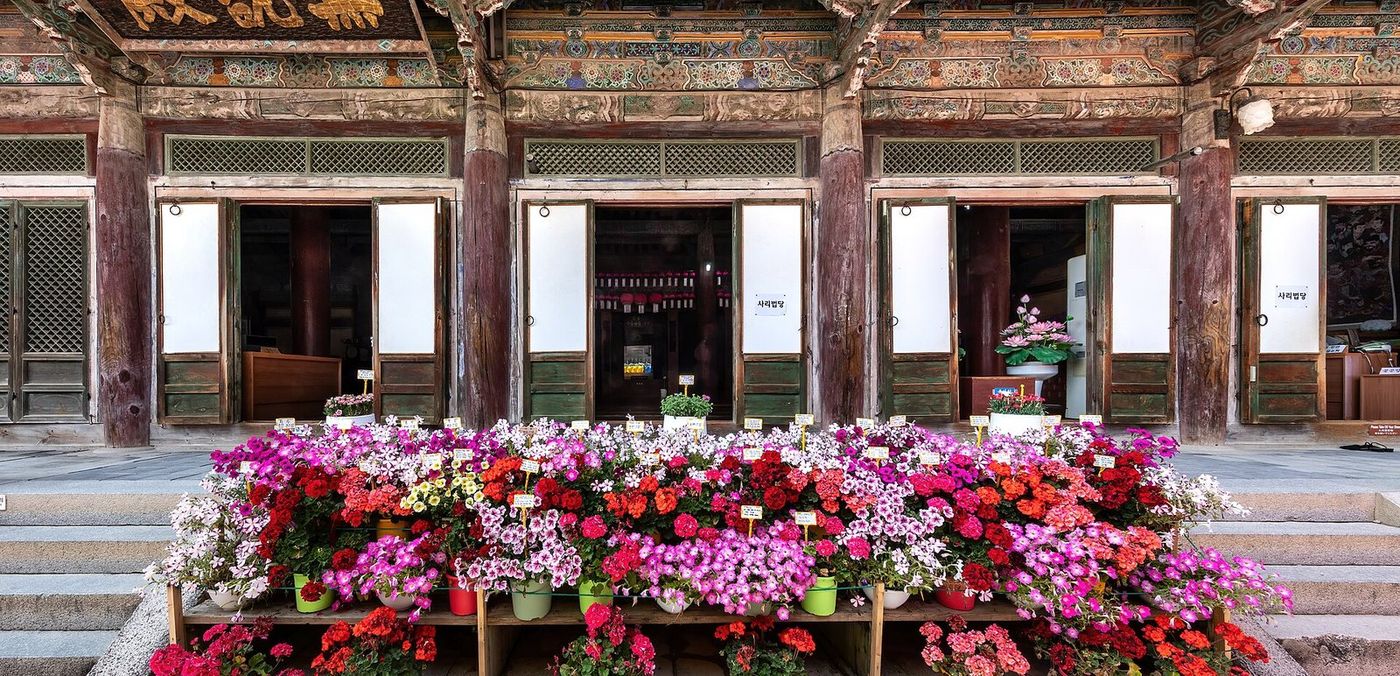
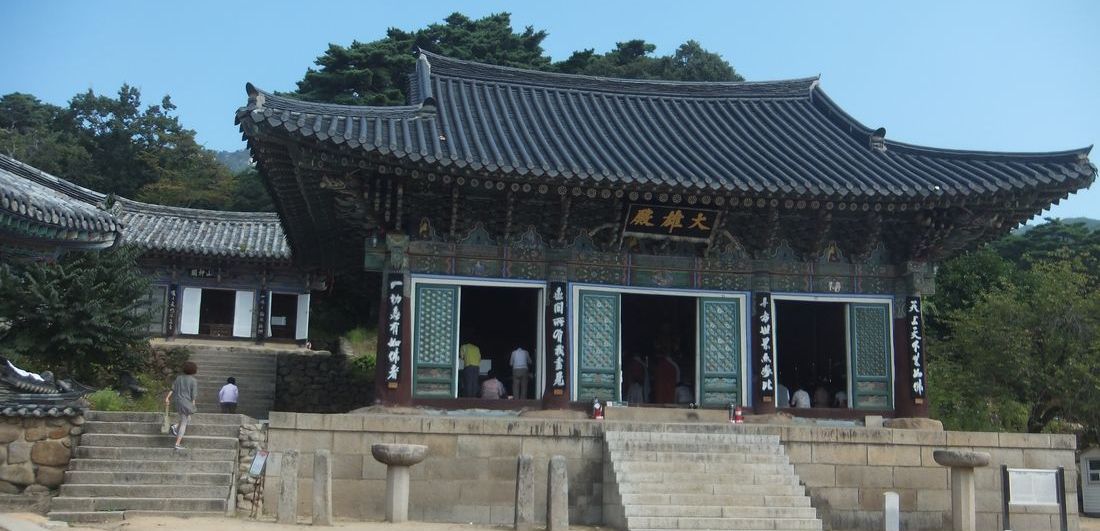
Bulguksa temple hall with flower pots, Gyeongju, Gyeongbuk

Gyeongbuk

경북

The thousand-year Silla capital at Gyeongju — Korea with no glass towers in the frame.

Main hall of Donghwasa temple on Palgongsan, Daegu

Daegu

대구

Hot summers, a market that runs late, and Donghwasa temple on the shoulder of Palgongsan.

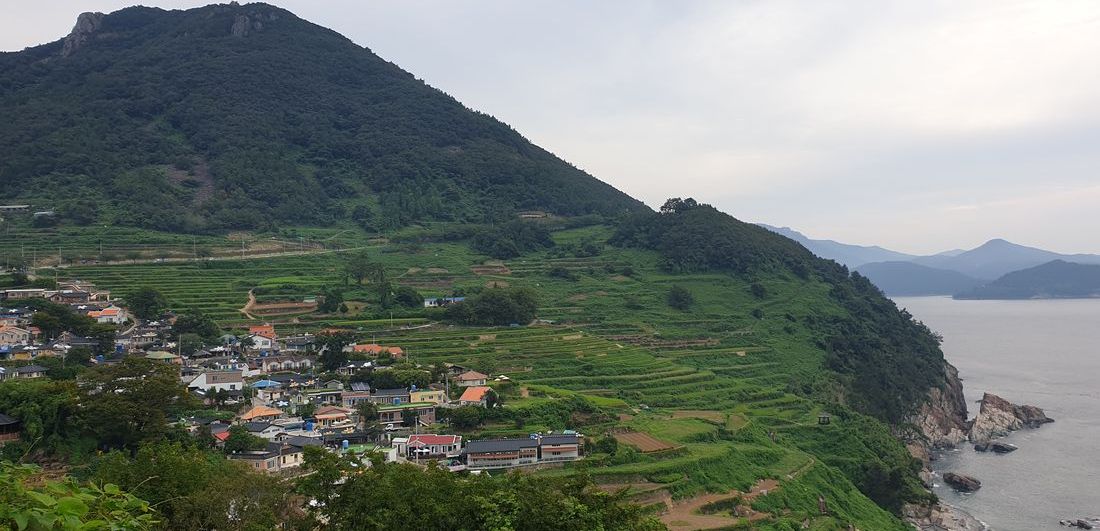
Terraced rice fields of Gacheon Daraengi Village falling to the sea, Namhae

Gyeongnam

경남

Terraced rice falling into the sea at Namhae, and the harbour town of Tongyeong.

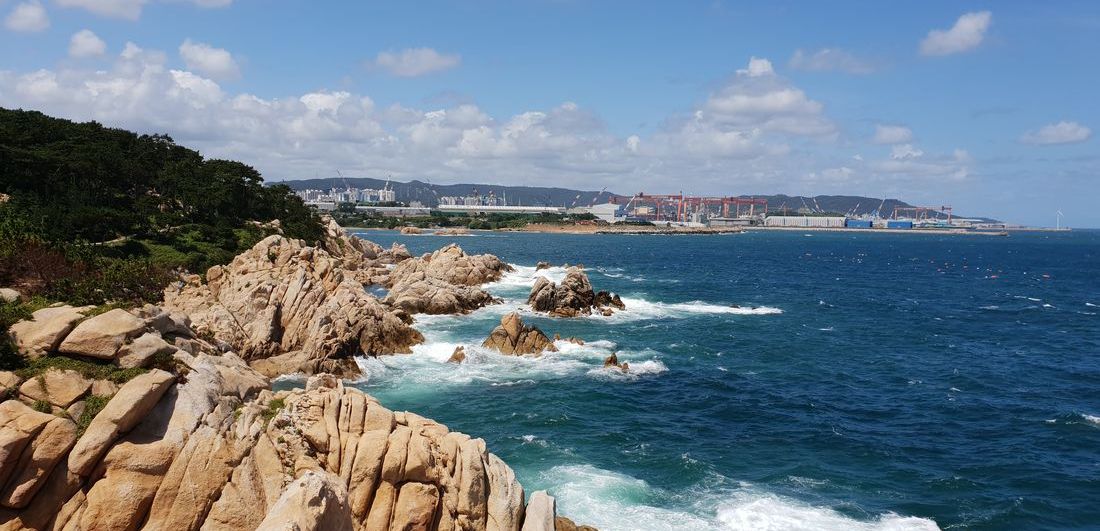
Rocky shoreline of Daewangam Park on the Ulsan coast

Ulsan

울산

Shipyards, whales, and Ganjeolgot — the first sunrise on the Korean mainland.

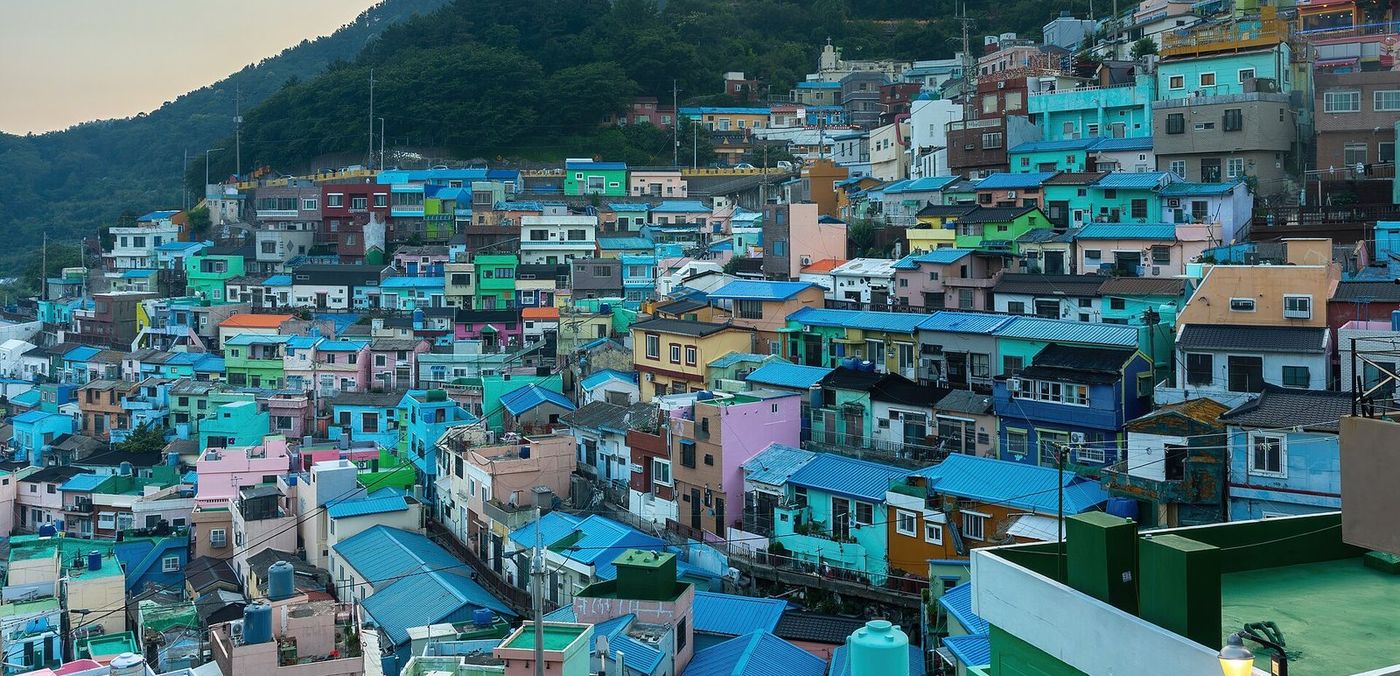
Colourful hillside houses of Gamcheon Culture Village, Busan

Busan

부산

A hillside of painted houses, wide beaches, and the country’s loudest fish market.

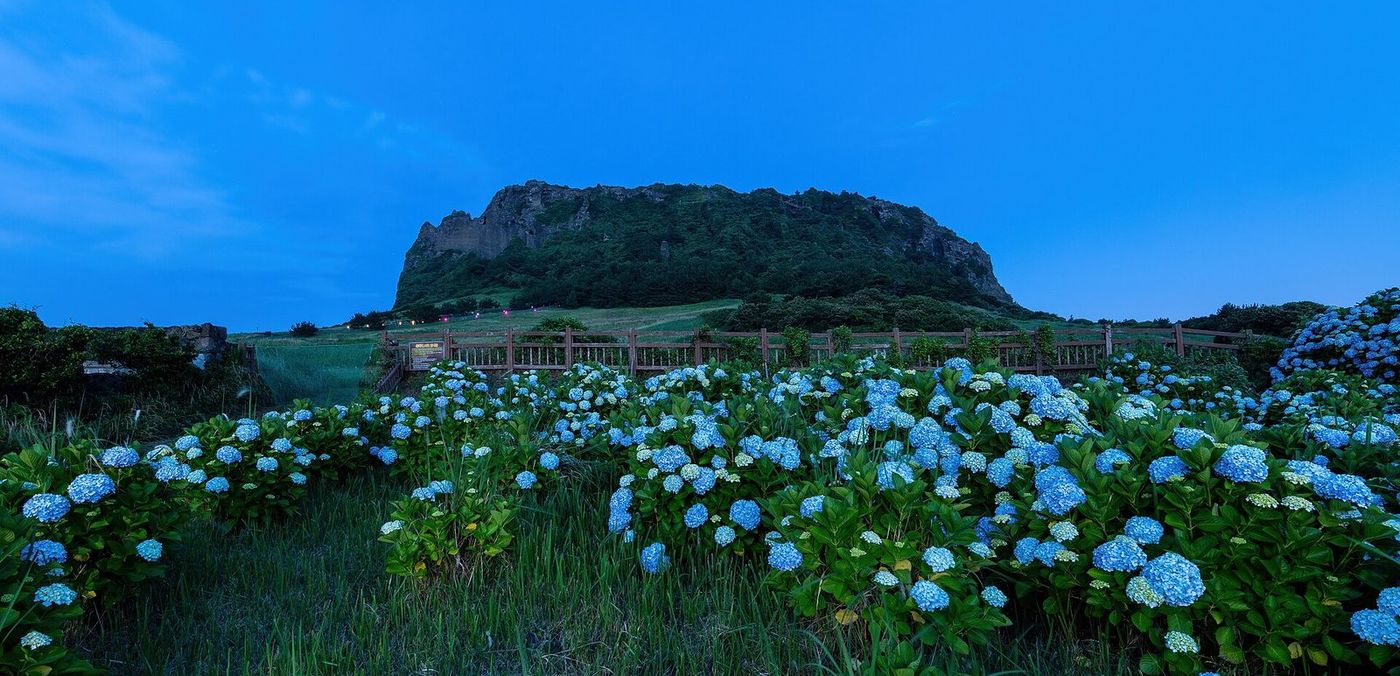
Seongsan Ilchulbong volcanic peak on Jeju Island with hydrangeas

Jeju

제주

A volcanic island of sunrise peaks, waterfalls and unhurried days.

The rules of Korea, as a book you keep.

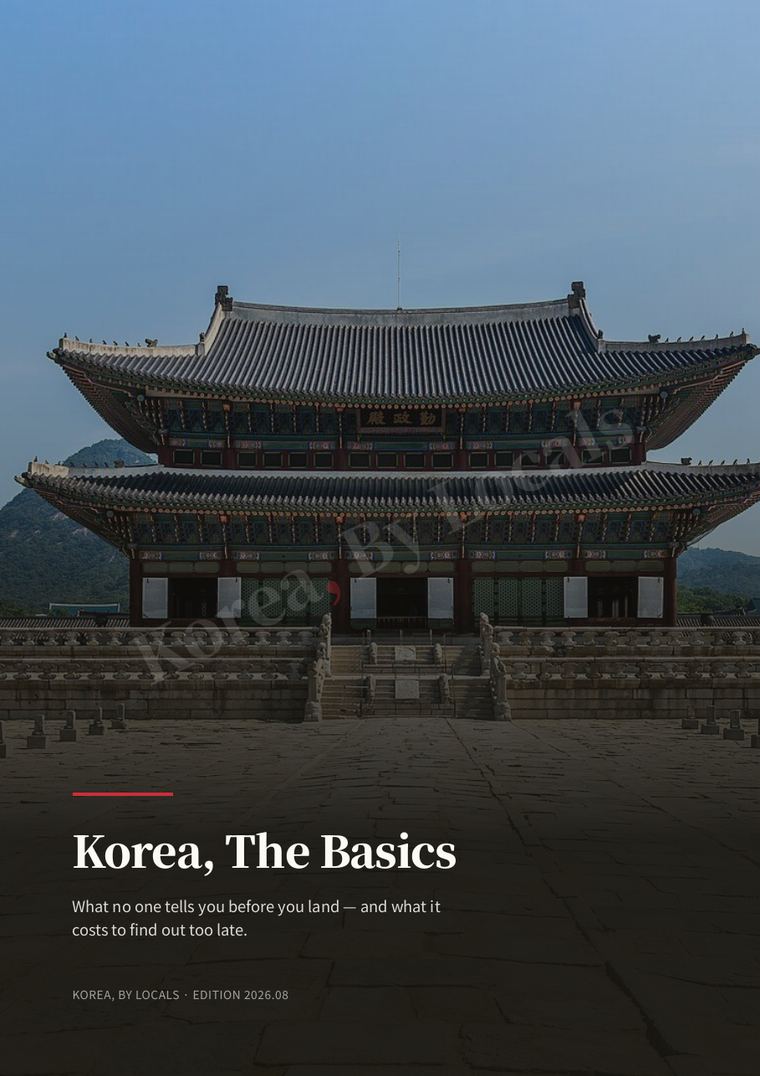
Korea, The Basics — 231 pages on etiquette, transport, money, emergencies and the country region by region. Every claim sourced. English or Japanese, with a Korean point-and-show edition bundled.

$29.90

Korea, The Basics guidebook cover

Day 1, the way we’d plan it.

One real day from a Seoul plan, timed around crowds, light and appetite.

09:00

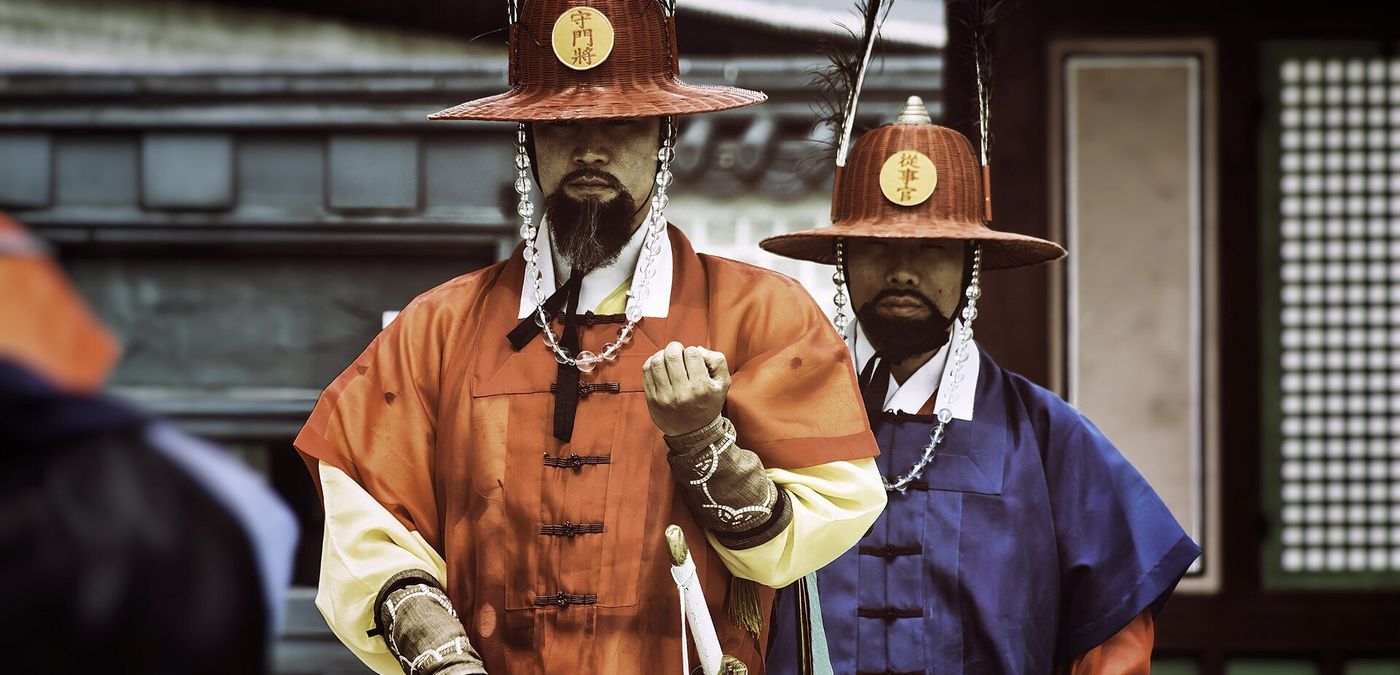
Gyeongbokgung, guard changing ceremony

Through the gate before the tour buses land. The ceremony runs on the hour; stand on the west side so the sun is behind you rather than in your lens.

Royal guard changing ceremony in traditional uniform at Gyeongbokgung Palace
Sumunjang, the royal guard changing ceremony.
11:30

Walk north into Bukchon

Fifteen minutes on foot from the palace. Quiet lanes, real houses with real residents, so we route you along the streets where photography is welcome.

13:00

Lunch at Gwangjang Market

Bindaetteok on the mung-bean row, then a plate of mayak gimbap. If shellfish is on your allergy list, we mark the two stalls to avoid before you arrive.

Vendors frying Korean pancakes on wide griddles at Gwangjang Market
Gwangjang Market, the bindaetteok row.
16:00

Slow hours by the Han River

A bike, a convenience-store coffee, and nothing scheduled. Every plan we build keeps at least one block of the day deliberately empty.

19:30

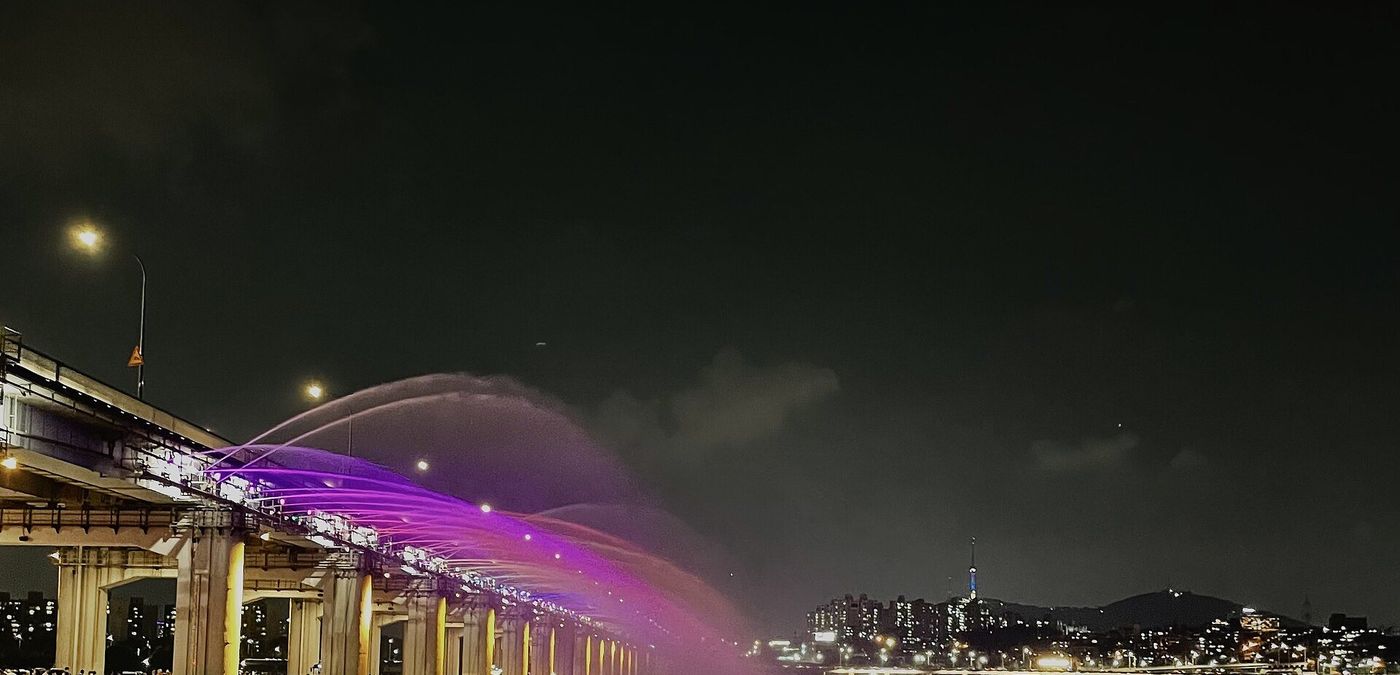
Banpo Bridge, rainbow fountain

Twenty minutes of water and light, and it only runs in season. Your PDF carries that season’s timetable and the exact bank to stand on.

Banpo Bridge Moonlight Rainbow Fountain lit at night over the Han River
Banpo Bridge, 19:30. Show times shift by season.

Unlocked with your plan

Unlocked with your plan

Unlocked with your plan

What a finished plan feels like.

Written as samples while we collect real ones. Every card below is labelled, and none of it is a customer quote yet.

[SAMPLE]
“The plan told me which subway exit to use. That sounds small until you are standing under Gangnam station with four exits and no idea.”

Emma · London

[SAMPLE]
“They moved the market day because rain was forecast, and asked me first. It felt like a friend rearranging things, not software.”

Yuki · Osaka

[SAMPLE]
“Two of the five restaurants were places I would never have found. The other three I had already saved, so I knew the taste was right.”

Marco · Milan

Evening crowds along a shopping street in Myeong-dong, Seoul
Myeong-dong on a Friday. In most plans it is a thirty-minute stop, not an afternoon.

Questions, answered straight.

We don’t sell tours. It’s a private plan you follow at your own pace.

48–72 hours after checkout.

One revision round is included in every plan.

No. We plan around what you’ve booked, so our picks stay unbiased.

Yes. Every restaurant is cross-checked against your allergy list.

English and Japanese, both for the site and your PDF.

Your trip is one form away.

Answer the questions once. A local plans the rest, and your PDF lands within 48 to 72 hours.

Start my plan